How to Create Your Own 72-Hour Emergency Kit for Urban Living in Europe
- Armand Petit

- Apr 23
- 4 min read
In urban areas, unexpected events can disrupt our daily lives in the blink of an eye. From natural disasters like floods and severe storms to unforeseen power outages, the importance of being prepared cannot be overstated. One effective way to be ready for any situation is by building a personalized 72-hour emergency kit. This guide will walk you through creating a DIY emergency kit specifically designed for urban living in Europe.
Understanding the Need for an Emergency Kit
Urban environments pose unique challenges during emergencies. With high population density, it’s easy to overlook essential preparedness steps. Emergencies can strike at any time—a sudden flood can leave you without immediate support, or a blizzard may prevent access to basic services. According to statistics, nearly 60% of urban dwellers in Europe have faced some form of disruption in the last five years due to extreme weather or other emergencies.
Having a 72-hour emergency kit ensures you can survive for at least three days without relying on local services, providing both personal safety and peace of mind during crises.
Basic Components of Your Emergency Kit
Let’s break down the essentials that every DIY emergency kit should include. These basics will help you create a practical and personalized backpack.
Water and Water Purification
Water is the top priority in an emergency. Aim to pack at least 2 liters of water per person, per day. In many urban contexts, access to clean drinking water can be disrupted. Water purification tablets or filters can be lifesavers here. For example, the use of a solid filter can remove 99.9% of bacteria and parasites from contaminated sources.

Food Supplies
Choose non-perishable food items that don’t require cooking. Some great options include:
Energy bars
Canned goods (always include a manual can opener)
Dried fruits and nuts
Instant meals that need only hot water
Make sure to pack enough food to last for 72 hours and periodically check expiration dates.
First Aid Kit
A well-stocked first aid kit is critical. Include:
Bandages and sterile gauze
Antiseptic wipes
Pain relievers
Prescription medications (if applicable)
Emergency contact numbers
Having these items readily available can make a significant difference in an emergency situation.
Flashlight and Batteries
Power outages are common during disasters. A reliable flashlight is a must-have. Opt for an LED flashlight that operates on rechargeable or replaceable batteries, and don’t forget to pack extra batteries.
Communication Tools
Staying informed is vital during emergencies. Make sure your kit includes:
A battery-powered or hand-crank radio to receive news updates
A portable charger for your mobile devices
A whistle to signal for help
Multi-tool or Swiss Army Knife
A multi-tool combines various functions into one handy device. Look for one that includes a knife, screwdrivers, and pliers to take on a range of tasks.
Customizing Your Kit for Urban Living
Now that we have the basics covered, let’s discuss customizing your emergency kit for city living.
Personal Safety Items
In crowded urban environments, consider adding personal safety items, such as:
Pepper spray (if allowed)
A personal alarm or whistle
Hygiene Products
Maintaining hygiene becomes crucial during emergencies. Your kit should include:
Hand sanitizer
Moist towelettes
Biodegradable soap
Toilet paper
Feminine hygiene products (if applicable)
These items will help manage hygiene when access to facilities is limited.
Warmth and Comfort
During harsh weather, warmth is essential. Consider adding a mylar blanket for insulation and a compact travel pillow to enhance comfort.
Local Map and Emergency Contacts
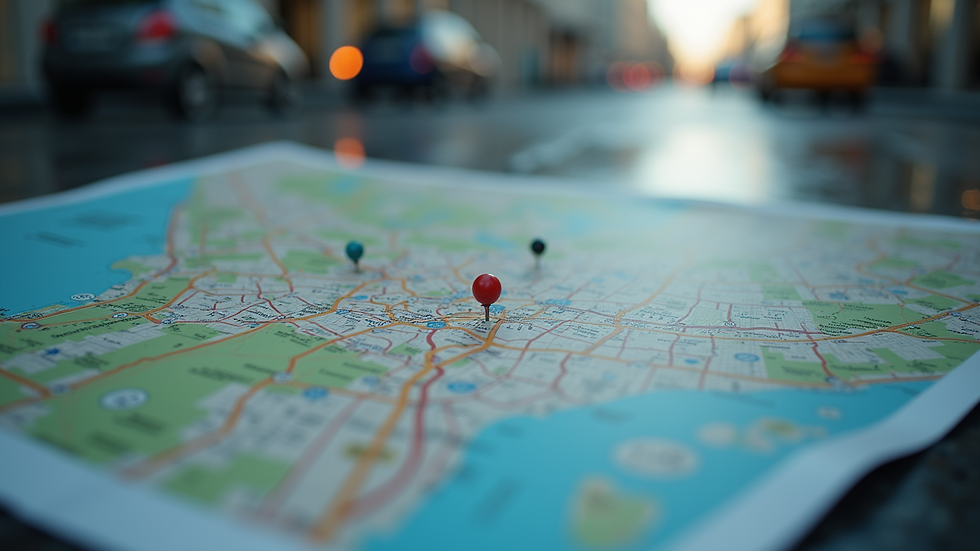
A physical map is invaluable when GPS fails. Mark key locations such as shelters, hospitals, and emergency contacts. Keep copies of emergency numbers for family and friends.
Packing Your Emergency Kit
Efficient packing is crucial. Here are tips to stay organized:
Use a Suitable Bag
Choose a sturdy, waterproof backpack. It should be substantial enough to hold your essentials while remaining comfortable to carry.
Use Packing Cubes
Organize your supplies in packing cubes or resealable bags. This keeps items neat and easy to find, especially in stressful situations.
Regularly Check and Update Your Kit
An emergency kit is not set in stone. Regularly review your supplies to ensure nothing is expired or needs replenishing. Set a reminder to check your kit every six months.
Educate Yourself and Others
Understanding what to do in an emergency is as important as having supplies. Take time to learn about emergency protocols in your area. This could involve attending workshops or exploring online resources.
Additionally, share your knowledge with friends and family. A well-prepared community can face crises more effectively.
Preparing for Unpredictable Events
Building a DIY emergency kit for urban living in Europe fosters resilience and confidence in uncertain times. By packing the essential items and personalizing them to suit your needs, you take significant steps toward becoming self-sufficient.
The journey of preparation may seem overwhelming initially, but once your kit is complete, it brings a sense of liberation. Being ready means more than just having the right supplies; it’s about cultivating a mindset that empowers you to handle whatever challenges life may present.


Comments